PRESS
PRESS 


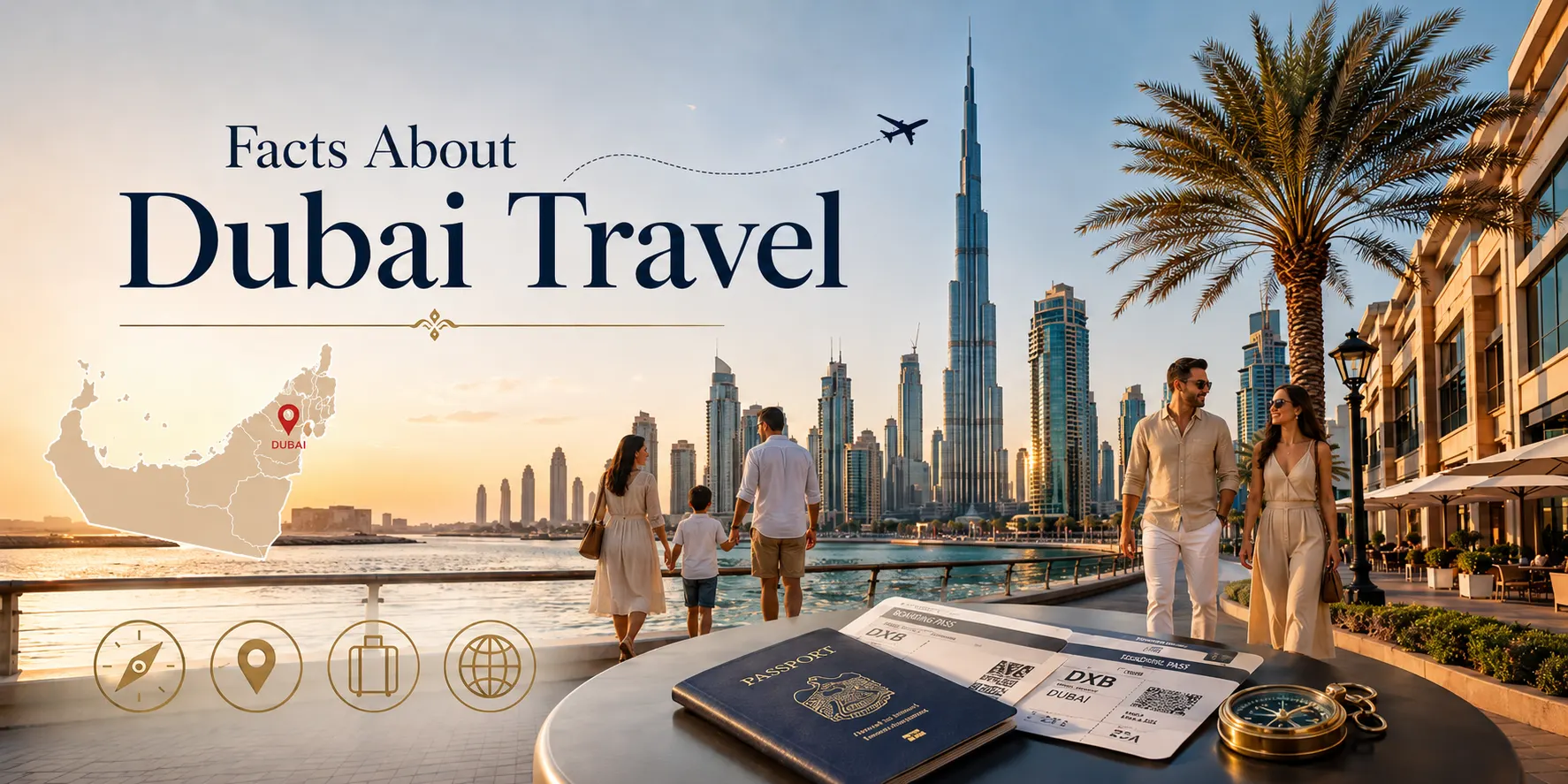
These are the facts about Dubai travel that every visitor should know before booking. Dubai welcomed 19.59 million overnight visitors from abroad in 2025. That was a third record year in a row. Yet thousands still arrive each week without knowing the local rules. One drink in the wrong place can bring a fine. One photo of the wrong person can bring far worse.
This guide covers the laws, the dress rules and the alcohol limits. It also explains how visas, fines and extensions really work. Everything here has been checked against current UAE government sources. Read it once before you book and you will travel with real confidence.
Quick Answer: The Core Facts About Dubai Travel
Dubai is safe, modern and warm towards guests. The rules are simply stricter in public than in most Western cities. Dress modestly. Drink only in licensed venues. Ask before you photograph anyone. Then check your visa dates twice. Do that and the rest of your trip is easy.
The five rules that matter most:
- Cover shoulders and knees in malls, souks and public areas.
- Drink only inside licensed bars, hotels and restaurants.
- Never photograph people, police or government sites without consent.
- Carry a prescription for any medicine you bring.
- Know your exact visa expiry date before you fly.
| Topic | What you need to know |
|---|---|
| Status | Dubai is a city and an emirate inside the UAE |
| Currency | UAE Dirham (AED), pegged to the US dollar |
| Language | Arabic is official, English is used everywhere |
| Weekend | Saturday and Sunday |
| Best months | November to March |
| Drinking age | 21 years |
| Emergency numbers | Police 999, Ambulance 998, Fire 997 |
| Visa | Many nationalities must arrange one before flying |
| Overstay fine | AED 50 per day |
General Facts About Dubai Travel Every Visitor Should Know
Start with the basics, because a lot of guides get them wrong. Dubai is not a country. It is one of seven emirates that together form the United Arab Emirates. The UAE itself was founded in 1971. So the nation is young, even though the region is ancient. Abu Dhabi is the capital, not Dubai.
The city is also unusually diverse. The large majority of residents are foreign nationals rather than Emiratis. You will hear dozens of languages inside a single shopping mall. Arabic is the official language of government and signage. English will get you through almost every daily task all the same. Menus, road signs and hotel staff all switch to it without being asked.
Many people still believe Dubai runs on oil money. It does not. Oil now makes up only a very small share of the emirate's economy. Trade, tourism, aviation, property and finance drive it instead. That shift explains a lot about the city. It works hard to attract visitors because visitors are the business.
One detail trips up almost every older article. The UAE weekend is Saturday and Sunday. Friday is a half day for government staff, with prayers in the early afternoon. Plenty of travel blogs still claim a Friday to Saturday weekend. That changed back in January 2022. It matters if you plan to visit a government office or a bank.
Timing your trip well makes a huge difference. The best months run from November to March. Days are warm and evenings are genuinely pleasant. Summer heat from June to September is intense and humid. December is the busiest month of the year. Book early if you want the popular hotels then.
Money is refreshingly simple here. The UAE Dirham is tied to the US dollar at a fixed rate. That means no nasty currency surprises between booking and arrival. Cards work in most places, taxis included. Cash is still handy in older souks and for small tips. ATMs are plentiful and reliable across the city.
Safety Facts About Dubai Travel
Dubai ranks among the safest large cities in the world. Street crime is rare. Muggings are almost unheard of. Solo female travellers often report feeling safe at night in tourist areas. Downtown, Dubai Marina and JBR are all busy and well lit. Walking back to a hotel late is normal here.
Several things drive that record. Cameras cover the city very heavily. Police response times are quick. Penalties are strict and applied to everyone equally. There is no tourist exemption. Ignorance of the law is not treated as a defence.
The bigger risks for visitors are rarely criminal. Heat is the main one. Summer temperatures can be dangerous for anyone unused to them. Drink far more water than feels necessary. Traffic is the second risk. Roads are fast and wide, so always cross at a marked crossing.
Healthcare is excellent and staff speak English. But it is not cheap for visitors. Buy travel insurance before you fly, without exception. A single hospital night without cover can cost more than your flights. Keep your policy number saved offline on your phone.
One honest note about the wider region. Events beyond the UAE have caused short flight delays in the past. A few outdoor attractions have closed briefly as a precaution. Dubai itself has remained calm and open throughout. Still, check your airline the day before you travel. Insurance that covers travel disruption is a sensible extra.
Legal Facts About Dubai Travel: What Is Really Illegal
Dubai blends UAE federal law with Islamic values. Some acts that feel normal at home carry real fines here. These rules apply to every visitor, whatever your passport or your faith. Most tourists never come close to breaking them. The few who do often did not know the rule existed.
| Action | Likely consequence |
|---|---|
| Drinking in public or being drunk in public | Fine and possible arrest |
| Carrying any illegal drug, including CBD | Jail and heavy fine |
| Drug trafficking | Very severe penalties, up to the death penalty |
| Swearing or rude gestures in public | Criminal offence, fine or jail |
| Abusive or insulting posts online | Cybercrime fine, travel ban or deportation |
| Photographing people without consent | Fine or prosecution |
| Flying a drone without a permit | Fine and loss of the drone |
| Gambling | Illegal, and there are no casinos |
| Smoking in a no-smoking zone | Fine |
| Crossing a road away from a crossing | Fine |
| Using a phone while driving | Heavy fine and black points |
Medicine deserves its own warning. Some common painkillers, sleep aids and mental health drugs are controlled substances in the UAE. That surprises a lot of travellers. Keep it all in the first box. Carry a copy of your prescription in your hand luggage. Check the current rules with UAE bodies before you pack.
Vaping and CBD are a separate trap entirely. E-cigarettes, vape liquids and CBD products can all cause problems at the border. That includes CBD creams and oils sold freely in pharmacies at home. A prescription from your own country does not protect you here. The safest approach is simply to leave them behind.
Online behaviour counts as public behaviour in the UAE. Cybercrime laws are strict and they are enforced. Posting an angry restaurant review can backfire. So can sharing a rumour or uploading a stranger's photo. Think before you post while you are inside the country. The rule applies to residents and tourists alike.
Dubai Do's and Don'ts for Tourists
Here is a simple side by side view of the essentials. Read it once and most of the risk disappears. None of this stops you enjoying the city. It just keeps you on the right side of local custom.
| Do this | Avoid this |
|---|---|
| Cover shoulders and knees in public places | Beachwear in malls, souks or taxis |
| Drink in licensed hotels, bars and restaurants | Drinking on beaches, in parks or on the street |
| Use marked pedestrian crossings | Crossing busy roads on foot |
| Ask before you photograph anyone | Photos of police, ports or government sites |
| Book licensed taxis or app rides | Unmarked cars offering cheap lifts |
| Keep medicine in its first packet | Loose pills in a bag with no prescription |
| Stay calm and polite with officials | Shouting, swearing or rude hand signs |
| Keep affection low key in public | Kissing or close embraces in public |
| Buy travel insurance before you fly | Travelling with no medical cover |
Dress Code Facts About Dubai Travel
There is no single dress law aimed at tourists. There are strong customs that shift by place. The rule is easy to remember. Modest in public, relaxed at the pool, covered at a mosque. That covers almost every situation you will meet.
In malls, souks and public parks, cover your shoulders and knees. This applies to men just as much as women. A shirtless man in a mall will be asked to cover up. Very short or see-through clothing draws the same reaction. Signs at mall entrances often spell this out politely.
Beaches and hotel pools follow different rules. Normal swimwear is fine in those places. Just cover up when you walk to a shop or a café. Nudity and topless sunbathing are illegal anywhere in Dubai. That includes private hotel beaches and rooftop pools.
Mosques have the strictest rules of all. Women cover hair, arms and legs before entering. Men wear long trousers and cover their shoulders. Shoes come off at the door. Many mosques lend an abaya or a scarf at the entrance. The Jumeirah Mosque runs guided tours designed for non-Muslim visitors.
Alcohol Facts About Dubai Travel
You can buy alcohol in Dubai. It is also tightly controlled. Getting this wrong is one of the most common tourist mistakes. The legal drinking age is 21. Venues do check identity documents, so carry some form of ID.
You may drink in licensed places only. That means hotels, licensed bars, clubs and many restaurants. Street cafés and public spaces cannot serve alcohol at all. Drinking in a park or on a public beach is a criminal matter. It is not treated as a minor slip.
Tourists can also buy alcohol to take away. You need a free temporary licence from a licensed retailer first. Staff arrange it in store using your passport. That licence covers private use inside Dubai only. Do not carry alcohol into other emirates, where rules differ sharply.
Driving rules are the strictest of all. The UAE applies a zero tolerance limit for alcohol behind the wheel. Any trace at all can lead to arrest and deportation. There is no safe single drink before driving. Book a taxi or an app ride before your first drink of the evening.
Ramadan Facts About Dubai Travel
Ramadan is the Islamic month of fasting and reflection. Visiting then is a rich cultural time. Many older guides are badly out of date on this topic. Rules on daytime eating have relaxed a lot in recent years. It is worth understanding what really changed.
Restaurants and cafés now trade normally through the day. They no longer need to screen off their dining areas. Malls, hotels and food courts stay open as usual. You will not be fined for sipping water on a hot afternoon. The old blanket ban that scared visitors no longer reflects practice.
Courtesy still matters a great deal, though. Avoid eating while walking down a public street. Keep food and drink discreet around people who are fasting. In older neighbourhoods, be noticeably more careful than in tourist districts. A little awareness goes a long way here.
Two other things shift during the month. Dress standards feel stricter, so cover up a little more. Alcohol service may start later or pause during daylight hours. Check with your hotel before planning an evening out. Working hours also shorten across offices and government departments.
Iftar is the highlight of the whole month. It is the meal that breaks the fast at sunset. Hotels and restaurants lay on spectacular spreads across the city. Joining one is among the best cultural experiences Dubai offers. Book a table early, because the good ones fill fast.
Culture and Etiquette Facts About Dubai Travel
A little etiquette knowledge goes a long way in Dubai. Emirati culture places high value on welcome and courtesy. Visitors who match that tone are treated very warmly. The rules are not hard at all.
Greetings are often warm but formal. A handshake is standard between men. Wait for a woman to offer her hand first, as some prefer not to. Use your right hand for eating, giving and receiving. The left hand is seen as unclean by custom.
Patience is valued more than speed. Raising your voice loses you respect at once. It can also escalate a minor issue into a legal one. If something goes wrong, stay calm and polite. Calm complaints get resolved faster than angry ones in Dubai.
A few small habits are worth adopting. Remove your shoes if you enter someone's home. Accept coffee or dates if they are offered to you. Do not photograph the inside of private homes or offices. Avoid discussing the ruling family or religion critically in public.
Photography and Drone Rules
Dubai is built for photographs and most of it is fine to shoot. Burj Khalifa, Dubai Mall, the fountain and the beaches are all open to cameras. Among the facts about Dubai travel worth learning, this one stands out. The limits are about people and safety, not landmarks. Knowing that difference keeps you safe.
Never photograph a person without asking first. This matters most with women, families and children. Uploading someone's image without consent can trigger a criminal case. A friendly question solves the whole problem in seconds. Most people say yes.
Some sites are off limits. Do not point a camera at police stations or military areas. The same applies to ports, palaces and border checkpoints. Even a casual snap can be read as a security risk. Signs are not always posted, so use judgement.
Drones need a permit from the civil aviation authority. Flying without one risks a fine and loss of your equipment. Areas near the airports are especially sensitive. Permits take time to arrange from abroad. If in doubt, leave the drone at home.
Transport Facts About Dubai Travel
Getting around Dubai is easy and surprisingly cheap. The metro is clean, fast and fully driverless. Two lines link the airport, Downtown and the Marina. Buy a Nol card at any station, then tap in and tap out. The same card works on buses and trams.
A few metro rules catch visitors out. There are dedicated carriages for women and children. There is a Gold Class cabin at one end. Eating, drinking and chewing gum on board all carry on the spot fines. Keep your water bottle inside your bag until you exit.
Taxis are plentiful, metered and reasonably priced. Official cars are cream coloured with a coloured roof. A pink roof means a female driver, available for women and families. App based rides work well and remove any fare dispute. Skip anyone offering an unmarked lift outside the airport.
The old wooden abra boats are still the best value in the city. They cross Dubai Creek between Deira and Bur Dubai constantly. The fare is just a couple of dirhams. It is the cheapest ride in Dubai and easily the most atmospheric. Go at sunset if you can.
Driving is possible for many visitors. You will often need your home licence plus an International Driving Permit. Arrange the permit before you leave home. Rules are enforced by camera on most roads. Speeding, phone use and lane weaving all bring heavy fines. Parking apps are needed in most central areas.
Not sure which Dubai visa fits your trip?
Compare 30 day and 60 day options, single entry and multiple entry, in one place.
Record Breaking Dubai: Sights Worth Knowing About
Some of the best known facts about Dubai travel are its world records. Many are things you can visit in a single day. Most sit within a short taxi ride of each other. That makes planning far easier than in most big cities.
The Burj Khalifa leads the list at 828 metres and 163 floors. It is the tallest building on earth by a wide margin. The outdoor deck on level 148 sits more than 555 metres up. On a clear day the tip is visible from far outside the city. Book your slot well ahead, as sunset times sell out first.
Dubai Mall is the largest shopping centre in the world by total area. It holds well over a thousand shops. It also contains an ice rink and an enormous aquarium. Treat it as a full day out, not a quick errand. The Dubai Fountain sits directly outside it.
Deep Dive Dubai is the deepest pool on the planet at 60 metres. A sunken city sits at the bottom for divers to explore. The Dubai Fountain shoots water more than 150 metres high, set to music. Shows run every evening and cost nothing to watch. Arrive early for a spot on the waterfront.
Other favourites include the Dubai Frame and the Miracle Garden. The Frame stands 150 metres tall in Zabeel Park with a glass floor. One side shows old Dubai and the other shows the new skyline. The Miracle Garden closes in the hottest months, so check the season first.
A word of caution about Ain Dubai, the giant wheel on Bluewaters Island. Its operating status has changed several times since 2021. Reports still conflict about whether it is running. Check before you plan a trip around it. Bluewaters itself is pleasant regardless.
Visa Facts About Dubai Travel You Cannot Ignore
Your visa decides when you may enter and how long you may stay. Get it wrong and you may be stopped at your own departure airport. Airlines check documents before they let you board. Check your status early, before you buy flights rather than after.
Rules vary a great deal by passport. Some passports allow visa free entry for a set time. Some receive a visa on arrival at the airport. Many travellers must arrange a visa in advance instead. The permitted length of stay also differs by passport. Check your own case on the official ICP portal or through a trusted service.
Passport dates are a common stumbling block. Most visitors need six months left on the passport. Airlines check this at the gate and will refuse boarding. Renew early if you are anywhere near that line. Damaged passports can also cause problems at immigration.
Entry type matters more than most people realise. A single entry visa covers one arrival into the UAE. A multiple entry visa lets you leave and return. Travel between Dubai and Abu Dhabi is internal UAE travel. It does not use another entry. Only leaving the country entirely does that.
If you plan a side trip abroad, look at a 30 day multiple entry visa or a 60 day multiple entry visa. For one straight holiday, a single entry option is often cheaper. Our Dubai visitor visa types guide sets out each route clearly.
One more rule protects everyone involved. A tourist visa does not allow paid work in the UAE. Attending meetings and business talks is fine. Taking a job on a visit visa is not. The UAE runs separate routes for job seekers and remote workers.
Arrival Facts About Dubai Travel: At Immigration
Arrival is quicker than most people expect. Dubai handles enormous passenger numbers every single day. The process runs smoothly when your documents are in order. Here is the usual sequence from aircraft door to taxi rank.
You leave the aircraft and follow signs to passport control. Many passports can use the smart gates rather than a staffed desk. Officers may scan your face and take fingerprints. This is entirely routine and takes only seconds. Children often go through the staffed lanes.
Keep three things ready in your hand. Your passport, your visa copy and your hotel address. Officers sometimes ask where you are staying and for how long. A clear answer keeps the queue moving fast. Have a return ticket accessible too.
Baggage reclaim comes next, then customs. Green and red channels work as they do elsewhere. Declare large amounts of cash if you are carrying them. Do not bring vapes or CBD through this point. Sniffer dogs and scanners are used routinely.
Taxi ranks sit just outside arrivals and are well organised. The metro also serves the airport directly and cheaply. Rides into Downtown take around twenty minutes off peak. Evening rush hour traffic can easily double that. Hotels can arrange a car if you prefer a fixed price.
Overstay Fines and Visa Extensions
This is where careless travellers lose real money. The UAE now applies one flat overstay rate nationwide. The fine is AED 50 per day beyond your permitted stay. It is identical in every emirate. The old patchwork of different rates has gone.
There is an important detail buried in that change. Pre-arranged tourist and visit visas carry no grace period at all. The fine begins the day after your visa expires. Residence permit holders have separate grace rules that vary by category. Never assume you have a few spare days.
Fines accumulate quietly inside the system. Nobody sends you a reminder or a warning. Airport gates flag unpaid amounts when you try to leave. That is a very bad moment to discover a problem. Settle anything owed well before your flight. You can check and pay through GDRFA Dubai or the ICP channels.
Extending is far cheaper than overstaying. Inside country extensions run for 30 days or 60 days. You apply without leaving the UAE at all. Start the process early, before your current visa expires. Late applications can still attract fines.
Money Facts About Dubai Travel
Dubai can be very cheap or extremely expensive. You largely choose which. A metro ride and a shawarma cost almost nothing. A beach club afternoon and a rooftop dinner do not. Most visitors mix the two and find a comfortable middle.
There is no personal income tax in the UAE. But there is VAT on most goods and services. Hotels add tourist fees and service charges to your bill. Read the small print when comparing room rates. The headline price is rarely the final price.
Tipping is appreciated but never demanded. Rounding up a taxi fare is normal and welcome. Around ten percent works in restaurants where service is not included. Many bills already include a service charge, so check first. Hotel porters and housekeeping staff are often tipped in small notes.
Haggling still works in the traditional souks. It is expected in the gold and spice markets. It is not welcome in malls or chain stores. Start well below the asking price and stay friendly. Walking away calmly often produces the best final offer.
On visa costs, be careful with online quotes. A government fee and a provider fee are not the same thing. Insurance, urgent handling and service charges sit on top of the base cost. Compare like with like before you commit. Our Dubai visitor visa cost guide breaks the parts apart.
Three Trip Scenarios
Rules always feel clearer with real examples. Here are three common trips and what each one needs. Each shows how the facts about Dubai travel apply in practice. Find the one closest to your own plan.
The first time visitor. Five nights split between Downtown and the beach. A single entry 30 day visa is often enough. Pack modest daywear alongside your swimwear. Book the Burj Khalifa deck ahead, because slots sell out. Leave one evening free for the creek and the old souks.
The family with children. Two adults and two children for ten days. Each traveller needs their own visa, including infants. Check every passport for six months left on it. Choose a hotel with a pool, because midday heat tires children quickly. Plan indoor attractions for the hottest hours of the day.
The regional traveller. Dubai plus a short hop to a neighbouring country. A multiple entry visa saves a second application and a second fee. Remember that a day trip to Abu Dhabi does not count as leaving. Only an international departure uses an entry.
Common Mistakes Tourists Make
Most problems in Dubai come from a small handful of errors. Almost all of them are simple to prevent. These are the facts about Dubai travel that save people the most trouble.
- Walking into a mall straight from the beach in swimwear.
- Carrying loose tablets without a prescription copy.
- Packing a vape or a CBD product out of habit.
- Drinking at a public beach after a hotel lunch.
- Filming crowds and posting recognisable faces online.
- Assuming a tourist visa has spare days at the end.
- Booking a flight before checking passport dates.
- Losing your temper with a driver or an official.
Notice the pattern running through that list. None of these come from bad intent. They come from habits that are harmless at home. Slowing down for a moment avoids every single one. That is the whole trick to a smooth trip.
Decision Guide: Which Visa Suits Your Trip
Use this quick guide to narrow your choice. Match the visa to your actual travel plan, not to the lowest price. A cheaper visa that forces a second application costs more overall.
| Your plan | Likely best option |
|---|---|
| One short holiday, no side trips | 30 day single entry |
| Longer stay with family or friends | 60 day single entry |
| Dubai plus another country mid trip | 30 day multiple entry |
| Several regional trips over two months | 60 day multiple entry |
| Already here and want more time | Inside country extension |
Before You Apply: A Simple Checklist
Work through these steps in order. Doing them in order prevents most rejections. It also saves you paying twice.
- Check your passport has six months left on it.
- Confirm the entry rules that apply to your passport.
- Decide between single entry and multiple entry.
- Pick a 30 day or 60 day length that fits your dates.
- Scan a clear passport copy and a recent photo.
- Check that names match your passport exactly.
- Apply through a verified service and keep the receipt.
- Save the approved visa to your phone and print a copy.
One important point on timing. Authorities publish expected service times, not guaranteed approvals. No provider can promise an approval date. Apply early and leave a real buffer before your flight. Full document details sit in our Dubai visitor visa requirements guide.
Travel Day Checklist
Print this or keep it saved on your phone. It takes two minutes to run through. It saves a surprising amount of stress at the airport.
- Passport, visa copy and return ticket together.
- Prescriptions in their first packet with a doctor's note.
- Travel insurance details saved offline.
- Hotel address written in full for the taxi rank.
- Numbers noted for help: 999, 998 and 997.
- A modest layer packed in your hand luggage.
- No vape, no CBD and no restricted items in any bag.
Ready to check your Dubai visa options?
See current visitor visa routes, required documents and expected timelines in one place.
Final Facts About Dubai Travel to Remember
Dubai rewards visitors who prepare a little. The city is safe, warm and built for tourism. Its rules are simply clearer and firmer than many people expect. Almost nobody who reads them in advance runs into trouble.
Keep four things front of mind throughout your trip. Dress modestly in public spaces. Drink only where it is licensed. Respect people's privacy and their images. Track your visa dates from the day you land.
Do that and Dubai becomes very easy to enjoy. The rest is beaches, food, desert and skyline. For a full walkthrough of the application itself, read our complete Dubai visitor visa guide. For wider entry information, the UAE Government portal remains the official reference.