PRESS
PRESS 

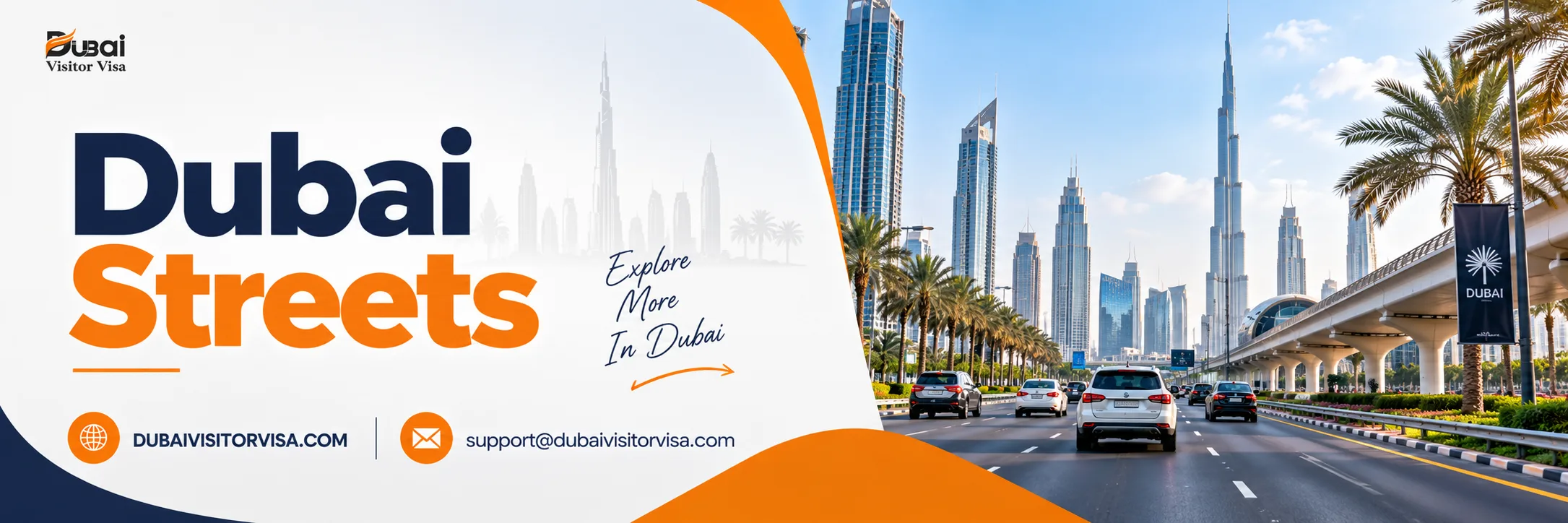
Quick answer: The famous streets in Dubai are not all conventional streets. The most useful visitor list mixes major roads, pedestrian promenades, heritage lanes and creative districts: Sheikh Zayed Road for the skyline, Dubai Marina Walk and JBR for waterfront evenings, Mohammed Bin Rashid Boulevard for Downtown landmarks, Al Fahidi and Deira for heritage, 2nd December Street for casual food, and Alserkal Avenue for contemporary culture.
This guide keeps the original 12-stop idea but updates the transport names, attraction details and practical advice for 2026. A useful famous streets in Dubai guide should help you choose areas, not just list road names. It also separates places that are true roads from pedestrian areas such as Marina Walk, The Walk at JBR and Alserkal Avenue, so you can plan by experience rather than by label.
12 Famous Streets in Dubai at a Glance
| Road / Area | Best For | Area | Best Time |
|---|---|---|---|
| Sheikh Zayed Road | Skyline, architecture, business district | Central Dubai corridor | Late afternoon to night |
| Dubai Marina Walk | Waterfront walking and dining | Dubai Marina | Sunset onwards |
| Mohammed Bin Rashid Boulevard | Burj Khalifa, fountain, Downtown views | Downtown Dubai | Evening |
| The Walk at JBR | Beachfront dining and shopping | JBR | Evening |
| Al Fahidi lanes | Heritage and Creek access | Bur Dubai | Morning |
| Al Rigga Street | Casual food and Deira atmosphere | Deira | Evening |
| 2nd December Street | Affordable multicultural dining | Satwa | Evening |
| Al Meydan Road | Meydan Racecourse and event days | Meydan / Nad Al Sheba | Race or event day |
| Jumeirah Beach Road | Beaches, cafés and coastal landmarks | Jumeirah | Morning or sunset |
| Alserkal Avenue | Art, film and creative spaces | Al Quoz | Afternoon to evening |
| Al Wasl Road | Neighbourhood cafés and dining | Al Wasl / Jumeirah | Evening |
| Gold Souk & Deira lanes | Gold, spices, perfume and Creek heritage | Deira | Morning to evening |
Planning How to Move Between These Areas?
Check Dubai airport, Metro, taxi and city-transport basics before building a street-by-street sightseeing day.
Review Dubai Travel Information1. Sheikh Zayed Road — Dubai's Skyline Corridor
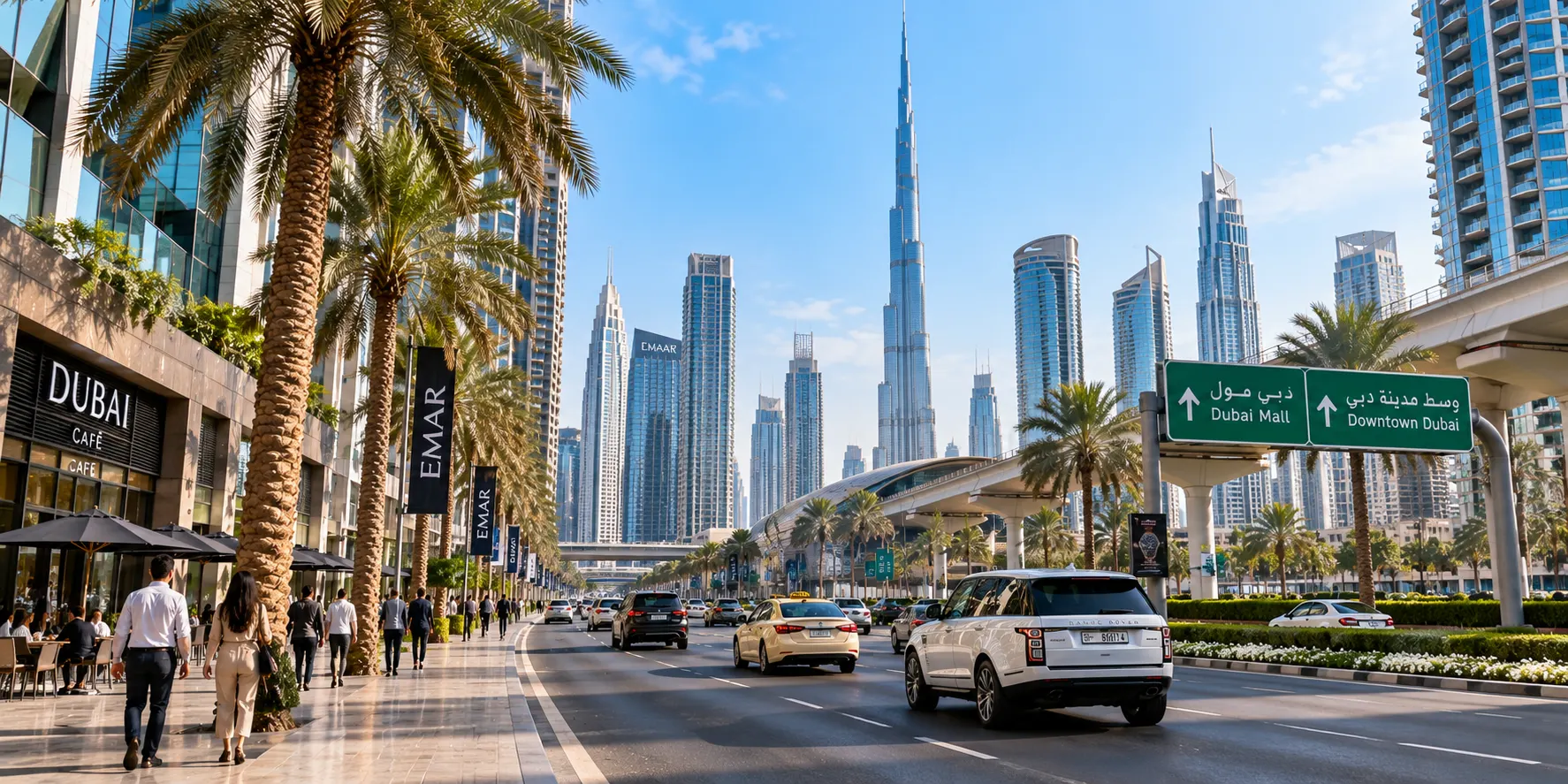
Sheikh Zayed Road is the Dubai section of the E11 highway and one of the most recognisable streets of Dubai for skyline views. The central stretch passes Dubai World Trade Centre, Emirates Towers, Financial Centre and a long line of hotels and office towers.
The original article described the entire roughly 558-kilometre UAE E11 as though it were one Dubai city street. It is more accurate to treat Sheikh Zayed Road in this guide as the Dubai urban corridor of E11 rather than the full national highway.
What to Do
- See the tower-lined skyline from street level or a nearby high-floor venue.
- Combine the road with Dubai World Trade Centre, Museum of the Future or DIFC.
- Use the Red Line rather than trying to walk long stretches beside fast traffic.
Useful Red Line stations include World Trade Centre, Emirates Towers and Financial Centre. There is no current Red Line station simply named “DIFC”; Financial Centre and Emirates Towers are the practical rail stops for that area.
2. Dubai Marina Walk — Best Waterfront Walking Area
Dubai Marina Walk is a roughly 7-kilometre waterfront promenade around the marina. It is one of the best streets in Dubai if your priority is a long evening walk with cafés, restaurants, yachts and high-rise views rather than a conventional roadside experience.
Use Sobha Realty or DMCC on the Red Line, then connect to the Dubai Tram or walk depending on your starting point. Older guides that still tell visitors to use “Dubai Marina Metro Station” or “DAMAC Properties” are using previous station names.
Sunset into evening is usually the most comfortable time outside the coolest months. You can combine the promenade with Marina Mall, a yacht departure or a walk toward JBR, but the full loop is longer than many first-time visitors expect.
3. Mohammed Bin Rashid Boulevard — Downtown Landmark Walk
Mohammed Bin Rashid Boulevard loops through Downtown Dubai around Burj Khalifa, Dubai Mall, Dubai Opera and Burj Lake. It is one of the strongest Dubai walking streets for a first visit because several major landmarks sit within the same district.
The Dubai Fountain reopened on 1 October 2025. Current published timings show evening performances every 30 minutes from 6 PM to 11 PM, with additional afternoon shows. Schedules can change on holidays or for operations, so treat the times as a planning guide rather than an immutable rule.
If Downtown is a priority, the Burj Khalifa visitor guide explains the observation levels, current ticket structure and how to combine the tower with Dubai Mall and the fountain.
4. The Walk at JBR — Beachfront Shopping and Evening Energy
The Walk at Jumeirah Beach Residence is a pedestrian-friendly beachfront promenade lined with cafés, restaurants and shops. It works well for visitors who want beach access and an active evening without committing to a nightclub.
The Dubai Tram has Jumeirah Beach Residence 1 and 2 stops. For Metro connections, Sobha Realty and DMCC are the current Red Line interchange area stations, not the old DAMAC Properties name used in the source.
Ain Dubai on Bluewaters is visible from the waterfront and is operating again after its earlier closure. Do not hard-code late-night business hours for the whole promenade; restaurants, retail outlets and attractions keep their own schedules.
5. Al Fahidi Historical Neighbourhood — Heritage Lanes, Not One Street
Al Fahidi is better understood as a historic neighbourhood of narrow lanes than as one attraction street. The wind-tower architecture, courtyards, galleries and Creek-side setting make it one of the most distinctive heritage areas in the city.
The source told visitors to plan around “Dubai Museum, AED 3” as though that ticket and operating status were fixed. For a 2026 guide, it is safer to focus on the historical neighbourhood itself and check Al Fahidi Fort or museum access separately on the visit date.
One of the best add-ons is the Creek crossing. RTA currently charges AED 1 in cash for the traditional motorised abra between Bur Dubai Abra Station and Deira Old Souq Abra Station. That ride links the Bur Dubai heritage side with Deira's souks in minutes.
For a full route through Al Fahidi, the Textile Souk, abras, Al Shindagha and Deira, use the Old Dubai guide.
6. Al Rigga Street — Deira Food and Local Evening Life
Al Rigga is a practical choice for travellers staying in Deira. It has casual restaurants, bakeries, cafés, hotels and everyday shops rather than the polished resort feel of Marina or Downtown.
Al Rigga Metro Station remains on the Red Line, which makes this one of the easier older commercial areas to visit without a taxi. Evening is usually more pleasant for walking, especially outside winter.
Avoid quoting fixed meal prices as though they apply across the street. Menus and promotions change quickly. The better reason to come is variety: Arabic, South Asian and other regional food is easy to find within a short walk.
7. 2nd December Street — One of Dubai's Best Casual Food Corridors
2nd December Street in Satwa, formerly widely known as Al Dhiyafa Road, remains one of the city's best-known casual dining corridors. Visit Dubai's current city material still highlights it for affordable food, and the street is especially useful for travellers who want Lebanese, South Asian and Gulf flavours in a less polished setting.
Good choices include grills, shawarma, karak, breads and sweets. Visit after sunset for a livelier atmosphere and cooler walking conditions. Because the road is active and traffic-heavy, treat it as a food crawl rather than a long scenic pedestrian promenade.
8. Al Meydan Road — Best for Meydan Racecourse Events
Al Meydan Road is most useful as the approach to Meydan Racecourse and the surrounding Meydan district. The racecourse hosts the Dubai World Cup and other racing events, but the calendar changes by season.
The source included a fixed race-season window and a prize-purse claim. Those details can change, so plan this road around a confirmed race or event date rather than assuming every evening from October to March has the same visitor experience.
This is also one of the least useful entries on the list for casual street walking. Come for a race, event, hotel or restaurant booking, not simply to wander the roadside.
9. Jumeirah Beach Road — Beaches, Cafés and Coastal Landmarks
Jumeirah Beach Road runs through a long residential and coastal part of the city. It gives you access to places such as Jumeirah Mosque, Kite Beach and a wide range of neighbourhood restaurants and cafés, with Burj Al Arab further along the wider Jumeirah coast.
This is better explored as a sequence of stops than as one continuous walk. Use taxis, ride-hailing or buses between points, then walk within each beach or dining area. There is no single Metro station that serves the full road.
If your trip is centred on upscale beach districts, Marina, JBR and Jumeirah, the Dubai Luxury Trip guide compares the character and trade-offs of those areas.
10. Alserkal Avenue — Dubai's Creative District
Alserkal Avenue is not a conventional avenue in the sightseeing sense. It is a converted warehouse district in Al Quoz filled with galleries, creative businesses, cafés and cultural programming.
The source incorrectly named Reel Cinemas as the district's independent film venue. The current cinema here is Cinema Akil. Alserkal's current community also includes galleries and spaces such as Carbon 12, Gulf Photo Plus and other rotating art organisations.
Check the programme before you go because exhibitions, screenings and opening hours vary. Afternoon into evening works well, but some galleries close on particular days or during holiday periods.
11. Al Wasl Road — Local Dining and Neighbourhood Stops
Al Wasl Road is a long urban corridor through Al Wasl and Jumeirah with cafés, restaurants, fitness studios and neighbourhood retail. It is less about one landmark and more about seeing the city's residential dining culture.
Wasl 51 and the surrounding Jumeirah sections are useful stopping points. This road pairs well with Jumeirah Beach Road because you can move between coastal attractions and inland cafés without crossing the city.
Like Beach Road, it is not ideal as one continuous tourist walk. Pick one or two stops and use a taxi or ride-hailing service between them.
12. Gold Souk and Deira Lanes — Dubai's Historic Shopping Core
The Gold Souk, Spice Souk and surrounding Deira lanes are some of the strongest Dubai shopping streets for visitors who want an older commercial atmosphere. The area combines jewellery shops, spice stalls, perfume stores and narrow trading lanes near Dubai Creek.
Do not assume gold jewellery has “no markup except labour.” Compare the displayed gold rate, making charges and the final quoted price before buying. For spices and souvenirs, polite bargaining is common, but prices and shop policies vary.
The traditional AED 1 Creek abra is one of the easiest ways to pair Deira with Bur Dubai. Gold Souq and Al Ras are useful Green Line stations for the Deira side.
Which Famous Streets in Dubai Fit Your Travel Style?
| If You Want... | Start Here |
|---|---|
| Best skyline photography | Sheikh Zayed Road + Mohammed Bin Rashid Boulevard |
| Waterfront evening walk | Dubai Marina Walk + The Walk at JBR |
| Heritage and traditional shopping | Al Fahidi + Gold Souk and Deira lanes |
| Affordable food crawl | 2nd December Street + Al Rigga |
| Contemporary art | Alserkal Avenue |
| Neighbourhood cafés | Al Wasl Road |
| Beach stops | Jumeirah Beach Road + JBR |
Practical Tips for Exploring Dubai Roads and Promenades
Use the Metro for Sheikh Zayed Road, Downtown, Deira and the Marina area, then combine it with the tram, walking or taxis. The official RTA Metro and Tram map is the best place to confirm current station names before travel.
- Best outdoor season: October to April is generally the easiest period for long walks.
- Summer: shift outdoor walking to early morning or after sunset and use indoor breaks.
- Cash: keep small AED notes for traditional Creek abra rides and small purchases.
- Photography: public-street photography is common, but ask permission before photographing people closely.
- Clothing: casual clothing is fine in most visitor areas; dress more conservatively around mosques and heritage settings.
- Safety: Dubai is generally comfortable for visitors, but use normal city precautions and protect valuables in busy areas.
One-Day Dubai Streets Route for First-Time Visitors
This is an ambitious but workable highlights day if you use taxis or Metro between districts and avoid spending hours inside major paid attractions:
| Time | Stop | Plan |
|---|---|---|
| 9:00 AM | Al Fahidi | Heritage lanes and Creek-side walk |
| 11:00 AM | Deira Gold Souk | Abra crossing, Gold/Spice Souk lanes |
| 1:30 PM | 2nd December Street | Casual lunch and karak stop |
| 3:30 PM | Alserkal Avenue | Gallery or Cinema Akil programme |
| 6:00 PM | Mohammed Bin Rashid Boulevard | Downtown walk and fountain viewing |
| 9:00 PM | JBR / Marina | Waterfront walk and late dinner |
If you prefer a slower pace, split Old Dubai and the modern waterfront into separate days. A multi-day plan gives you more realistic time for attractions, meals and transfers without turning the trip into a checklist.
Want to Turn These Streets Into a Full Dubai Trip?
Use a multi-day plan if you also want Burj Khalifa, beaches, Old Dubai, desert activities and major attractions without rushing.
Build Your Dubai ItineraryHow Many Areas Should You Try to Cover in One Day?
For most visitors, three broad zones are enough for one full sightseeing day. Old Dubai covers Al Fahidi and Deira. Downtown covers Mohammed Bin Rashid Boulevard and nearby landmarks. The Marina/JBR zone covers the main waterfront promenades. Trying to add every road in between usually creates more taxi time than sightseeing time.
A balanced famous streets in Dubai day chooses one or two Dubai street attractions in each zone rather than trying to walk every kilometre. For example, a first-time visitor might pair Al Fahidi with the Gold Souk in the morning, Downtown in the late afternoon, and JBR at night. A food-focused visitor can swap Downtown for 2nd December Street.
The best streets in Dubai also change with the weather. In winter, long outdoor walks are comfortable for much of the day. In hotter months, use mornings for heritage areas, take an indoor break in the afternoon, then return outside around sunset.
For Dubai walking streets, Marina Walk, JBR and Mohammed Bin Rashid Boulevard are easier than Sheikh Zayed Road, Meydan Road or long sections of Jumeirah Beach Road. Those larger roads work better as corridors connecting specific stops.
If shopping is the goal, split modern and traditional areas. JBR and Downtown offer polished retail and dining, while the Deira souk lanes give you a more traditional market experience. These two styles of Dubai shopping streets feel completely different even though both can fit into the same trip.
Visa and Entry Planning Before Your Street Tour
You do not need a special sightseeing visa to visit these roads and promenades. You simply need the UAE entry route that applies to your passport and travel purpose. GCC citizens, visa-on-arrival travellers and advance-visa travellers follow different rules.
Do not promise “guaranteed approval” or claim that every nationality needs a pre-arranged tourist visa. If advance approval is required, check the passport validity, photo, travel-ticket and insurance rules before submission.
The Dubai Visitor Visa Requirements guide explains the current document checklist without mixing it into this attractions article.
How Long Should You Stay to Explore the Streets of Dubai?
A short two- or three-day Dubai visit is enough for the main highlights, but not for all 12 areas at a comfortable pace. In that timeframe, prioritise Old Dubai, Downtown and either Marina/JBR or Jumeirah.
With four to five days, you can add Alserkal Avenue, 2nd December Street, Al Wasl Road and a dedicated beach morning. That gives the streets of Dubai more context because you see the contrast between heritage, business, residential, creative and waterfront districts.
Do not choose a longer UAE visa only because this list contains 12 stops. Match the visa to the entire trip, then build the sightseeing plan inside that stay. A longer list of attractions does not automatically mean you need a longer visa.
For photography, food and local atmosphere, leave some unscheduled time. The strongest Dubai street attractions are often the combinations around the road—the skyline beside Sheikh Zayed Road, the Creek beside Al Fahidi, or the beach beside JBR—rather than the road surface itself.
Famous Streets in Dubai: Final Planning Checklist
- Use Sheikh Zayed Road for skyline views, not a long roadside walk.
- Use Marina Walk and JBR for the strongest waterfront evening combination.
- Use Mohammed Bin Rashid Boulevard for Burj Khalifa and Dubai Fountain.
- Treat Al Fahidi as a heritage neighbourhood rather than one museum ticket stop.
- Cross Dubai Creek by abra to connect Bur Dubai with Deira.
- Choose 2nd December Street and Al Rigga for casual food rather than landmark sightseeing.
- Visit Meydan Road when a race or event gives you a reason to go.
- Check Alserkal Avenue's programme before travelling across the city.
- Use taxis or buses for Jumeirah Beach Road and Al Wasl Road stop-hopping.
- Confirm current Metro station names before relying on an old travel article.
The famous streets in Dubai work best when you choose them by interest rather than trying to tick off all 12. A practical famous streets in Dubai plan should balance travel time with the experience you actually want. A first-time visitor will usually get more from a balanced mix of Old Dubai, Downtown and one waterfront district than from racing across the city just to say every road was visited.
Need a Pre-Arranged Dubai Visitor Visa?
If your passport requires advance approval, choose the stay length and entry type from the actual trip before paying.
Review Dubai Visitor Visa Options