PRESS
PRESS 

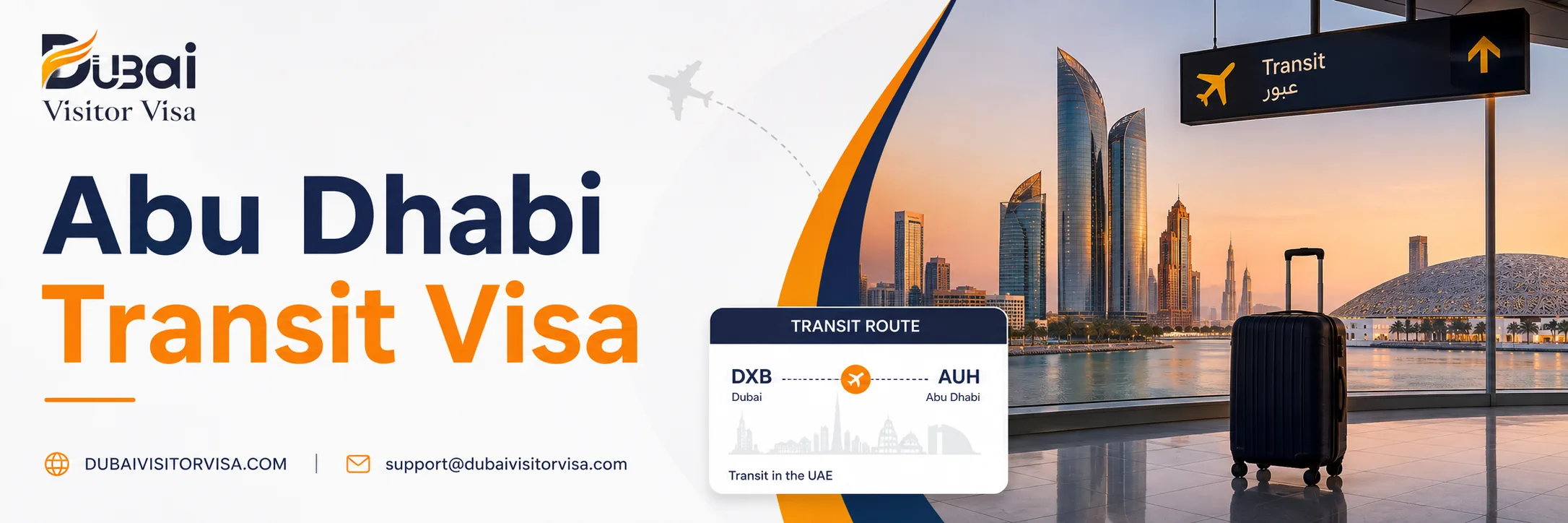
If you're connecting through Zayed International Airport and want to step outside during your layover, you may need an Abu Dhabi transit visa. Long layovers are common on Etihad's network, since Abu Dhabi sits at a natural crossroads between Europe, South Asia, East Asia, and Australia — which is exactly why so many travelers end up facing this question the week before they fly, rather than researching it months in advance.
This guide covers exactly who needs a transit visa, what it costs, which documents you'll need, and how the application actually works — based on the UAE government's official visa rules and Etihad Airways' current published fees, rather than recycled figures that circulate on travel forums.
Quick Answer
- The UAE offers two transit visa durations: 48 hours and 96 hours.
- Both are single-entry and cannot be extended.
- As of now, Etihad Airways is the only carrier processing transit visa applications for travelers connecting through Abu Dhabi's Zayed International Airport.
- Current Etihad fees: AED 55 (≈USD 15) for 48 hours and AED 216 (≈USD 59) for 96 hours.
- You only need this visa if you plan to leave the airport — staying airside requires no visa for most nationalities, regardless of layover length.
Do You Actually Need a Transit Visa?
Not every passenger connecting through Abu Dhabi needs one. It comes down to three questions:
Are you staying airside? If you remain in the transit area and don't clear immigration, you generally don't need any visa, no matter how long your layover runs.
Is your passport eligible for visa-free entry or visa on arrival? Travelers from visa-on-arrival and visa-exempt countries can usually clear immigration directly without arranging anything in advance.
Are you a GCC national? Citizens of Gulf Cooperation Council countries never need a transit visa for the UAE.
If none of these apply and you want to exit the airport, a pre-arranged transit visa is mandatory — you cannot request one at the immigration counter on arrival.
Documents You'll Typically Need
- A passport with at least six months of remaining validity
- A recent passport-style photo on a plain background
- A confirmed onward ticket to a third destination (not back to your origin country)
- Proof of hotel booking or host details in Abu Dhabi, generally required once your planned time outside the airport exceeds 24 hours
- Accurate personal details that match your passport and airline booking exactly
Requirements can vary slightly by nationality and by how the application is processed, so treat this as a starting checklist rather than a guarantee — confirm the exact list with Etihad or your visa service before submitting.
Minimum Connection Times Matter Too
Separately from visa eligibility, Zayed International Airport publishes minimum connection times that determine whether your itinerary is even bookable as a valid connection: roughly 45 minutes for most flights, and longer — around 85 minutes — for connections to the United States, because of pre-clearance procedures. These are airline scheduling rules, not transit-visa rules, but they're worth checking alongside your visa needs, since a tight connection can affect whether you even have time to consider leaving the terminal.
Abu Dhabi Transit Visa vs. Etihad Stopover Visa
These get confused constantly, but they solve different problems:
| Transit Visa | Etihad Stopover | |
|---|---|---|
| Purpose | Short exit during a layover | Deliberate multi-day break in Abu Dhabi |
| Duration | 48 or 96 hours | Multiple nights, bundled with hotel stays |
| Booked through | Visa application tied to your connecting itinerary | Etihad's stopover package alongside your flight |
| Best for | Passengers just passing through | Travelers building a mini-vacation into a long-haul trip |
If you're simply connecting between flights and need paperwork to leave the terminal, you want the transit visa. If you're planning to spend a few nights in Abu Dhabi as part of the trip itself, look at the stopover program instead — it's a separate application track.
48-Hour vs. 96-Hour Transit Visa
| Feature | 48-Hour Visa | 96-Hour Visa |
|---|---|---|
| Stay allowed | 48 hours | 96 hours |
| Entry window | 30 days from issue | 30 days from issue |
| Entry type | Single entry | Single entry |
| Extendable | No | No |
| Etihad fee | AED 55 (≈USD 15) | AED 216 (≈USD 59) |
| Typical processing | 3–4 business days | 3–4 business days |
| Best for | Short overnight or two-day layovers | Longer layovers or a short planned break in the city |
A few things worth flagging that many guides skip:
- You can't upgrade after issuance. If you apply for 48 hours and your layover runs long, you can't convert it to a 96-hour visa — you'd need a fresh application.
- Fees are non-refundable. If your trip is postponed past the visa's validity window, you'll need to reapply and pay again.
- If your connection is close to the 48-hour cutoff, apply for 96 hours instead. A delay or missed onward flight can otherwise leave you technically overstaying.
Why the Total Cost You See Online Might Differ
The AED 55 and AED 216 figures are Etihad's published government-linked visa fees. If you apply through a third-party visa service instead of directly through the airline, you may see a higher total that bundles in a service or handling charge on top of the base fee. Neither figure is necessarily wrong — they're just pricing different things. When comparing quotes, ask specifically whether the number you're being shown is the visa fee alone or the visa fee plus a service charge, since that's where most of the confusion around "the real cost" comes from.
Are There Alternatives to a Transit Visa?
Depending on your situation, a transit visa might not be your only — or best — option:
- Visa on arrival: If your passport is on the UAE's visa-on-arrival list, you can generally clear immigration directly without applying for anything in advance, even if your layover is long.
- A full UAE visit visa: If you're planning to spend meaningful time in Abu Dhabi or Dubai as part of your trip — rather than just passing through — a standard visit visa (typically valid for 30 or 90 days) may suit you better than a transit visa, since it isn't tied to a specific onward connection.
- Etihad's stopover program: Covered in detail below — this is the better fit if you want hotel nights bundled with your visa rather than arranging both separately.
- Staying airside: If your main goal is just resting or freshening up rather than sightseeing, some travelers find it's simpler to use airport lounges or transit hotels within the terminal and skip the visa question entirely.
Zayed International Airport: What Changed
Abu Dhabi's main airport was rebranded from Abu Dhabi International Airport to Zayed International Airport, now operating primarily out of Terminal A. This doesn't change transit visa eligibility, but it does affect the experience:
- Transit visa processing and immigration counters sit within the same terminal, so there's no need to move between separate buildings.
- Minimum connection times are generally shorter than under the old layout.
- The airport code (AUH) hasn't changed — if your visa or booking confirmation still references the old airport name, that's normal.
Who Processes the Application
Transit visas are sponsored by UAE-based airlines. Currently, Etihad Airways is the carrier processing transit visa applications for passengers connecting through Abu Dhabi — so your eligibility and process will run through Etihad's visa channel or an authorized visa service working with Etihad, rather than a generic government portal.
Abu Dhabi Transit Visa for Indian and Pakistani Passport Holders
Indian and Pakistani travelers make up a large share of connecting traffic through Abu Dhabi, and there are a few nationality-specific points worth knowing.
Indian passport holders: India isn't on the UAE's visa-on-arrival list, so if you plan to leave the airport during your layover, you'll need a transit visa arranged before you fly — it can't be requested at the immigration counter on landing. You'll typically need a passport copy, a passport-size photo, and a confirmed onward ticket showing your connection.
Pakistani passport holders: The process is similar — a pre-approved transit visa is required before travel if you intend to exit the airport. Processing can occasionally run slightly longer for Pakistani applicants, so applying as early as your ticket allows reduces the risk of the visa not being ready in time.
For both nationalities: if you're staying airside and not clearing immigration, no transit visa is needed regardless of how long the layover runs.
What About Other Nationalities?
The same core logic applies regardless of passport: check whether your country is on the UAE's visa-on-arrival or visa-exempt list first, since that determines whether you need to arrange anything at all. Travelers from many Western European, North American, and several Asian and South American countries are typically visa-on-arrival eligible and can skip the pre-arranged transit visa entirely, clearing immigration directly instead. If you're unsure where your passport falls, it's worth checking directly with the UAE's General Directorate of Residency and Foreign Affairs (GDRFA) or your airline before assuming either way.
Step-by-Step: How to Apply
- Confirm your onward ticket first. Applications need proof of a confirmed connecting flight out of Abu Dhabi — an open or unconfirmed booking is typically rejected or held for clarification.
- Choose the right duration. Match the visa length to your actual layover, with a buffer for delays — don't just pick the minimum time you think you'll need.
- Submit a clear passport scan and photo. The bio page must be fully legible with at least six months of validity remaining. Photos should be recent, passport-style, on a plain background.
- Match your details exactly. Name, date of birth, and passport number must match your passport and airline booking precisely — small mismatches can cause automatic rejection or delay.
- Apply 3–4 business days before travel. Earlier is better if your schedule allows it; this is the standard processing window, not a guarantee.
- Check your approval carefully. Once issued, verify the dates, spelling, and passport number before you travel. Corrections are far easier before departure than at the airport.
What Does "Restricted Connection" Mean on Your Booking?
If your itinerary shows a message like "your selected flights include a restricted connection," it means:
- Your layover falls within a window where leaving the airport requires an entry permit, and
- Based on your passport, that permit isn't automatic.
Common Mistakes That Delay or Reject Applications
- Booking the wrong duration — applying for 48 hours when the actual layover, including possible delays, could stretch past that window.
- Passport validity shortfalls — UAE immigration generally expects at least six months of remaining validity, even for a short transit.
- Name mismatches — a visa approved under a slightly different spelling than your ticket or passport can cause problems at check-in or immigration.
- Assuming visa-on-arrival applies — some travelers assume they can sort it out on landing, only to find their nationality isn't eligible.
- Applying too late — submitting within 24–48 hours of travel leaves no room for standard processing, let alone corrections.
- Confusing the transit visa with the stopover program — applying for the wrong product means restarting the paperwork under time pressure.
Note: Visa prices may vary depending on the visa type, applicant’s nationality, country of residence, and selected processing option (standard or express). Always check the applicable fee for your specific visa category and nationality before applying.